Furnace Safety Checklist: 7 Things to Check Before Kansas Winter
As temperatures begin to drop across Kansas, your furnace becomes one of the most important systems in your home. Before winter arrives in full force, taking a little time to check your heating system can help you spot potential problems and prepare for the colder months. Whether you live in Lenexa, Overland Park, Olathe, or elsewhere in Johnson County, this furnace safety checklist can help you get ready for winter.
1. Check or Replace Your Furnace Air Filter
A dirty air filter can restrict airflow, reduce comfort, and make your heating system work harder than necessary. Check your filter before the heating season and replace it when needed, following the manufacturer's recommendations. If your home has pets, dust buildup, or frequent indoor activity, you may need to check it more often.
2. Test Your Thermostat Before the First Cold Snap
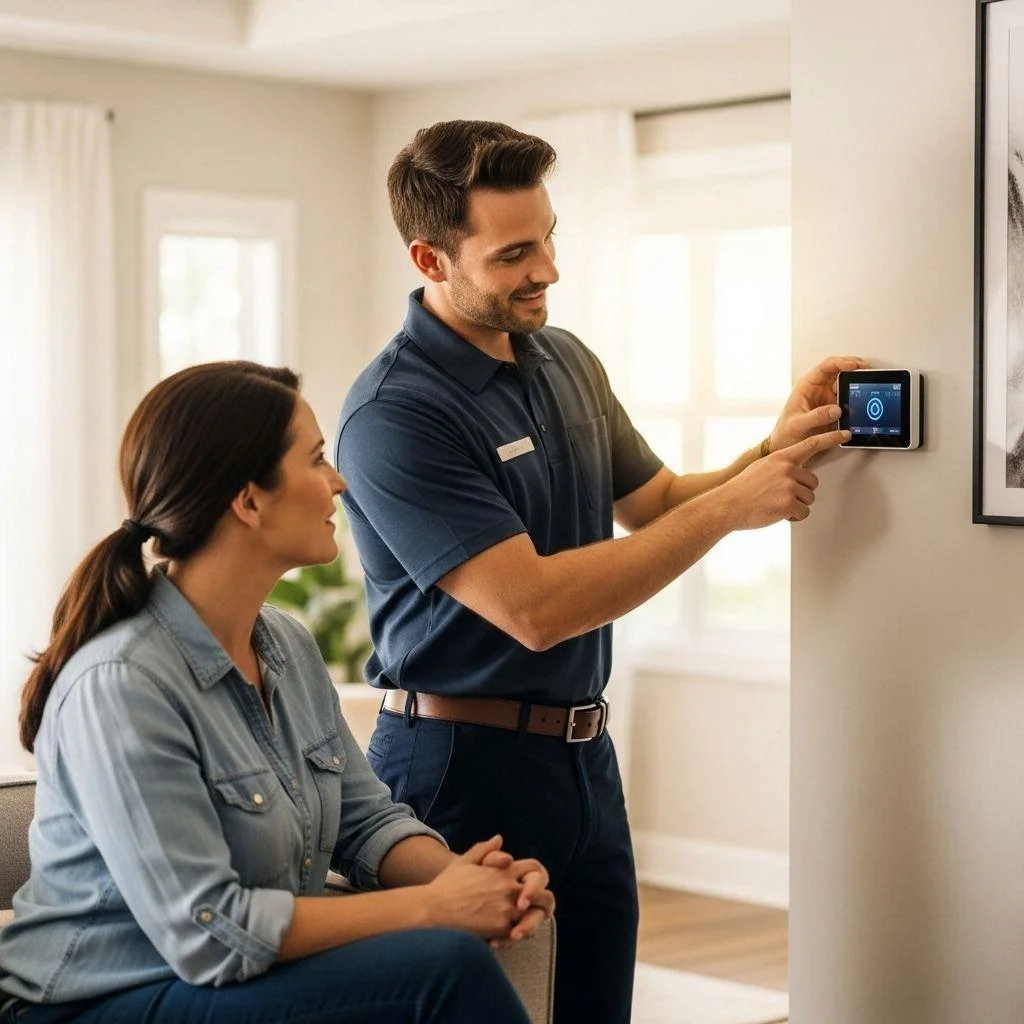
Set your thermostat to heating mode and choose a temperature slightly higher than the current room temperature. Give the system time to respond and check whether warm air begins coming through the vents. If the furnace does not start, repeatedly turns on and off, or struggles to maintain the set temperature, the system may need professional attention.
3. Keep Heating Vents and Registers Clear
Furniture, rugs, curtains, and other household items can block supply vents or return-air grilles. Walk through your home and make sure airflow openings are unobstructed. If some rooms remain much colder than others, blocked vents, ductwork issues, or an airflow imbalance may be contributing to the problem.
4. Pay Attention to Unusual Furnace Noises
A furnace may make some noise during normal operation, but new or persistent banging, grinding, squealing, or rattling deserves attention. These sounds can indicate loose components, motor issues, or other mechanical problems. Avoid opening or repairing internal components yourself; arrange a professional inspection if the noise continues.
5. Check Your Carbon Monoxide and Smoke Alarms
Fuel-burning heating equipment can create carbon monoxide hazards if combustion or venting problems occur. Test your carbon monoxide and smoke alarms according to their manufacturers' instructions, replace batteries when needed, and check expiration or replacement dates. Never ignore an alarm. If a carbon monoxide alarm sounds or anyone experiences symptoms such as dizziness, headache, or nausea, leave the building immediately and call emergency services from outside.
6. Keep the Area Around Your Furnace Clear
Keep boxes, cleaning products, paper, and other stored items away from your furnace and its access area. Follow the equipment manufacturer's required clearances and keep air intakes and exhaust vents unobstructed. Never store gasoline or other flammable materials near heating equipment. If you notice a gas smell, leave immediately without operating electrical switches or using flames, and contact your gas utility or emergency services from a safe location.
7. Schedule Professional Furnace Maintenance
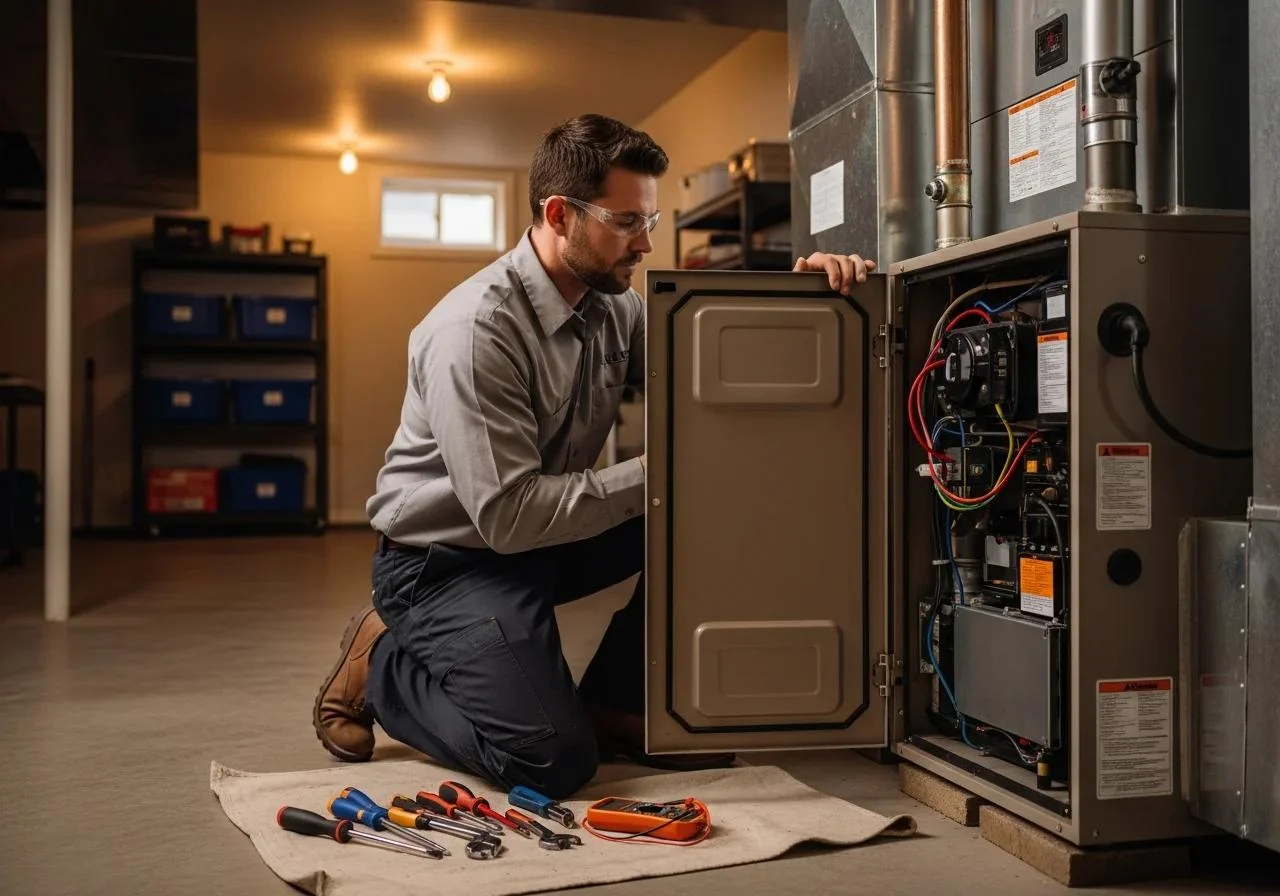
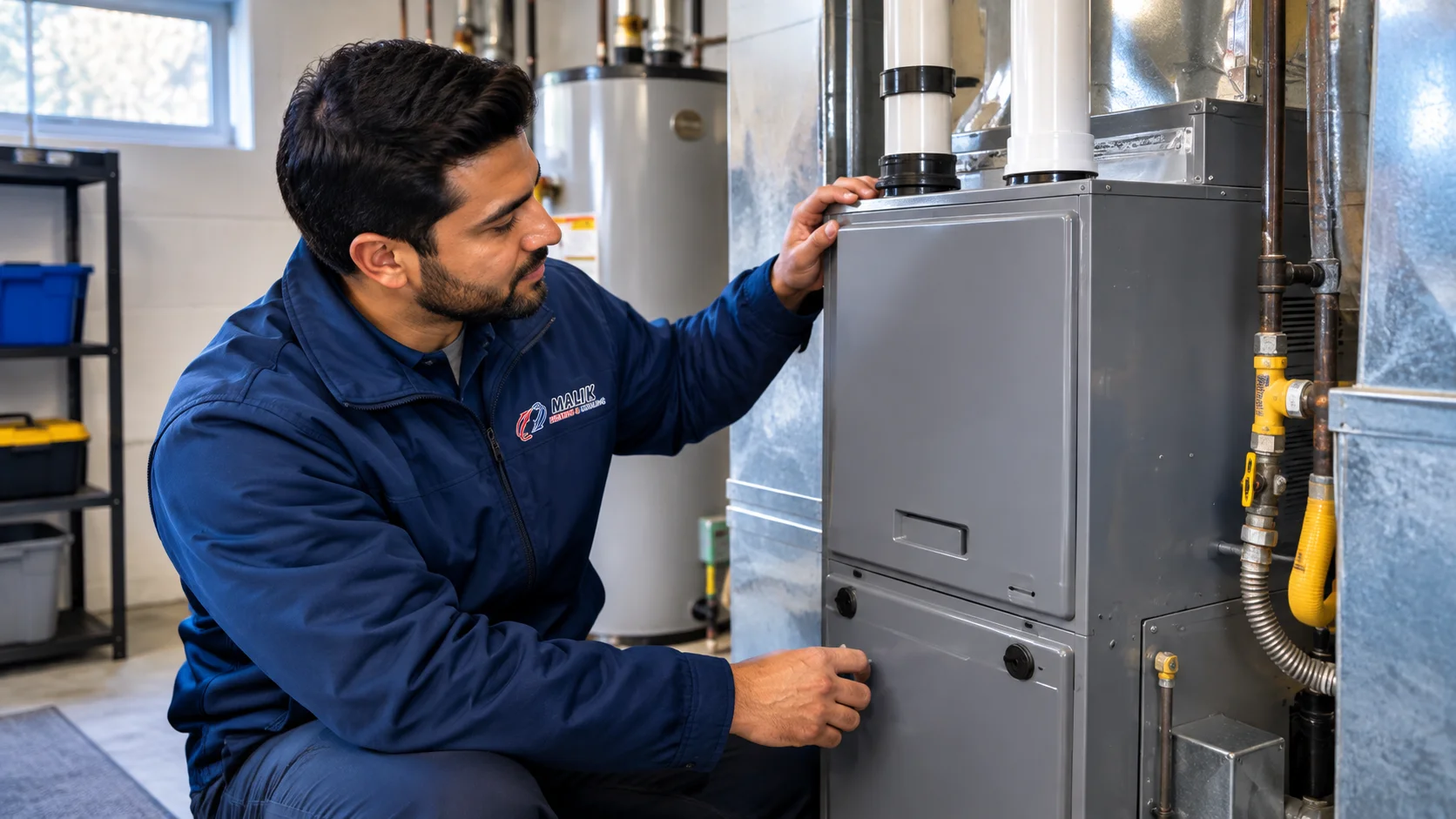
Some furnace problems are not visible during a basic homeowner check. Professional maintenance can include inspecting key components, checking electrical connections, evaluating airflow, and examining combustion and venting components where applicable. A qualified HVAC technician can identify concerns that may otherwise go unnoticed until your system is working hardest during cold weather.
Warning Signs You Should Not Ignore
Arrange professional service if your furnace struggles to heat your home, cycles on and off frequently, blows cool air, or makes persistent unusual noises. Soot, visible damage, or signs of venting problems also warrant prompt attention. If you suspect carbon monoxide exposure or a gas leak, leave the property and contact emergency services or the appropriate utility rather than waiting for a routine HVAC appointment.
Furnace Maintenance in Johnson County, KS
Getting your heating system checked before the coldest days arrive can help you prepare for a more comfortable Kansas winter. Malik Heating & Cooling provides residential heating and cooling services throughout Johnson County, including Lenexa, Overland Park, Olathe, Shawnee, and Leawood. If your furnace needs attention before winter, our team can help assess the problem and explain the next steps.